
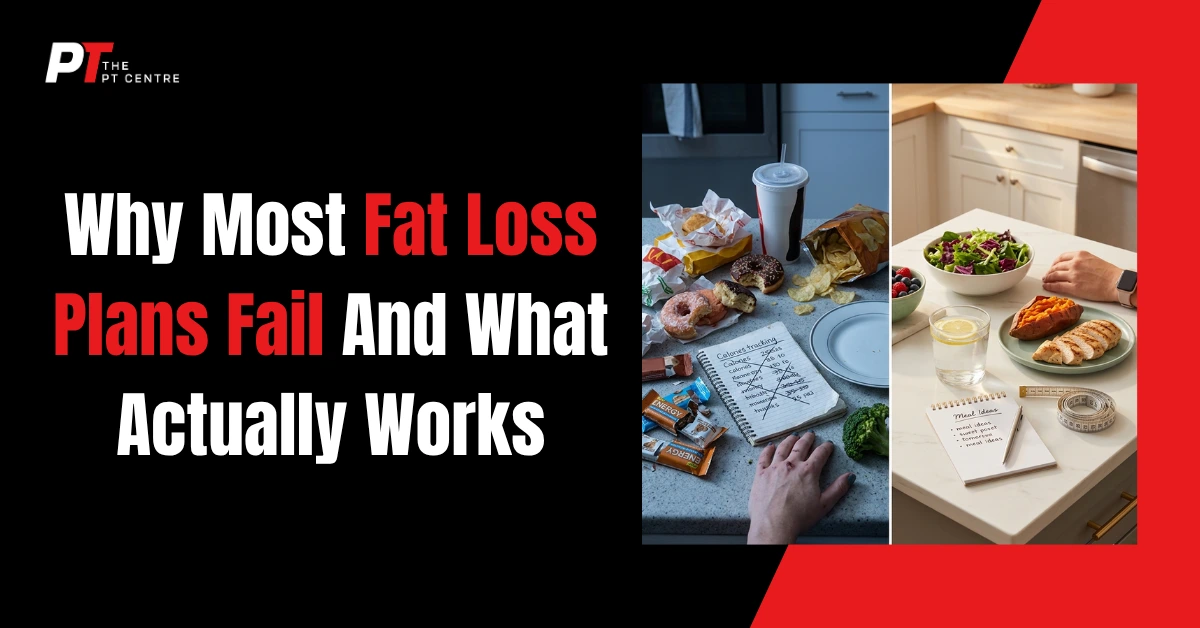
If you’ve ever tried to lose weight and struggled to maintain the results, you’re not alone. Most people don’t fail because they lack effort—they fail because the plan they follow simply isn’t designed to work long term. In the beginning, everything feels right. Motivation is high, your focus is sharp, and you’re fully committed. But after a few weeks, reality kicks in. Life gets busy, energy levels drop, and consistency starts to slip. Before you know it, the plan falls apart. This isn’t a personal failure—it’s a flaw in how most fat loss plans are designed.
They Rely Too Heavily on Motivation
Many fat loss plans are built on the assumption that you’ll stay highly motivated for weeks or even months. At the start, this often feels true—you’re training more often, eating better, and sticking closely to the plan.
But motivation isn’t consistent. It changes based on your daily life, including:
- Workload and stress levels
- Sleep quality and energy
- Personal commitments and responsibilities
When a plan depends entirely on motivation, it becomes difficult to sustain once that initial excitement fades. Real progress comes from building routines that work even when motivation is low.
They Try to Change Everything at Once
One of the most common mistakes is trying to completely transform your lifestyle overnight. This usually involves doing too much, too soon.
For example:
- Training every single day
- Cutting out entire food groups
- Following strict, restrictive meal plans
- Trying to track everything perfectly
While this can lead to quick results, it’s rarely sustainable. The intensity can feel motivating at first, but it often leads to burnout. A better approach is to focus on small, manageable changes that you can realistically maintain over time.
They Don’t Fit Real Life
A fat loss plan might seem perfect on paper, but if it doesn’t align with your lifestyle, it won’t last. Everyone has different routines, responsibilities, and challenges that affect consistency.
Things like long work hours, family commitments, and social events all play a role in how well you can stick to a plan. This is why a flexible and realistic approach is so important.
If you’re searching for practical weight loss tips for beginners in MK, the key is to follow a plan that adapts to your routine rather than disrupts it. When your approach fits your life, consistency becomes far easier to achieve.
They Focus on Short-Term Results
Many fat loss plans prioritise quick results over long-term success. While rapid progress can feel rewarding, it often comes with trade-offs that make it hard to maintain.
These plans typically include:
- Very low calorie intake
- Excessive amounts of exercise
- Rapid initial weight loss
Although this approach might work in the short term, it often leads to fatigue, increased hunger, and low energy levels. Over time, this makes it harder to stay consistent, and once the plan ends, many people revert to old habits.
Sustainable fat loss is about consistency, not speed.
There Is No Structure or Progression
Another key reason people struggle is the lack of a clear, structured plan. Random workouts and inconsistent routines make it difficult to measure progress or stay motivated.
Without structure, you may find it hard to:
- Track improvements over time
- Build strength effectively
- Stay consistent with your routine
- Know when or how to adjust your plan
A structured approach gives you direction and purpose. It helps you stay focused and makes progress more measurable, which is essential for long-term success.
They Don’t Address Habits
Fat loss isn’t just about workouts or short-term diet plans—it’s about the habits you build and repeat daily. Many plans fail because they don’t address the deeper behaviours that influence your results.
These include your eating patterns, daily routines, mindset, and lifestyle choices. If these areas aren’t improved, the results are usually temporary.
Real, lasting change happens when healthy habits become part of your normal routine—something you do automatically rather than something you have to force.
They Don’t Include Accountability
Trying to manage everything on your own can be difficult, especially when life gets busy. Without accountability, it’s easy to lose focus or slowly drift away from your plan.
You might find yourself:
- Skipping workouts
- Losing consistency with nutrition
- Gradually falling back into old habits
Having support—whether through coaching, a structured program, or a training environment—makes a big difference. Accountability helps you stay consistent, even when motivation is low.
Final Thoughts
Most fat loss plans don’t fail because they don’t work—they fail because they’re not built to last. The key to long-term success isn’t extreme dieting or intense training, but creating an approach that fits your lifestyle and supports consistency. When you focus on building sustainable habits, following a structured plan, and having the right level of support—such as private personal training in Milton Keynes—fat loss becomes far more manageable. Instead of chasing quick fixes, focus on what you can realistically maintain. That’s what leads to lasting results—and a healthier, more balanced way of living.