If you’re on Mounjaro, Wegovy, or Ozempic, the weight is probably coming off. That’s the whole point of the injection, and it works. The question we’re getting asked more and more at The PT Centre isn’t “will this help me lose weight?” – it’s “if the injection is doing the work, do I actually still need a trainer?”
Short answer: yes, and for a reason that has nothing to do with willpower or motivation. It’s about what kind of weight you’re losing.
What GLP-1 Medications Actually Do
Mounjaro, Wegovy and Ozempic are GLP-1 (or dual GLP-1/GIP) receptor agonists. In plain terms, they slow digestion, reduce appetite, and change how your brain responds to food cues. The result is that most people eat significantly less without having to fight their hunger all day. For a lot of people who’ve spent years white-knuckling diets, that’s genuinely life-changing.
What the medication doesn’t do is discriminate between the weight it removes. Your body doesn’t know the difference between fat and muscle when it’s running a calorie deficit – it just responds to the deficit. Left unmanaged, a chunk of what comes off is lean tissue, not fat.
The Part Most People Aren’t Told: Muscle Loss
This is the bit that matters for anyone thinking, “I’ll just take the injection and skip the gym.”
Research on GLP-1 weight loss has found that as much as 39% of the total weight lost can come from lean mass rather than fat – a proportion that’s notably higher than what you’d typically see with weight loss through diet and exercise alone, where lean mass loss is usually a much smaller share of the total.
Muscle isn’t just about how you look. It’s your metabolic engine, your joint support, your strength as you get older, and one of the biggest predictors of staying independent and mobile in later life.
Lose enough of it and you can end up lighter on the scale but weaker, with a slower metabolism than before you started – which is part of why so many people regain weight quickly once they stop the medication. You haven’t changed your body composition for the better. You’ve just made yourself smaller.
Why Resistance Training Is the Part the Injection Can’t Do
This is where coaching earns its place alongside the medication rather than being replaced by it.
The evidence is consistent: structured resistance training is one of the most reliably effective ways to protect lean muscle during a period of rapid, medication-driven weight loss. Not gentle movement, not “staying active” in a vague sense – actual progressive strength training, done regularly, with a plan behind it.
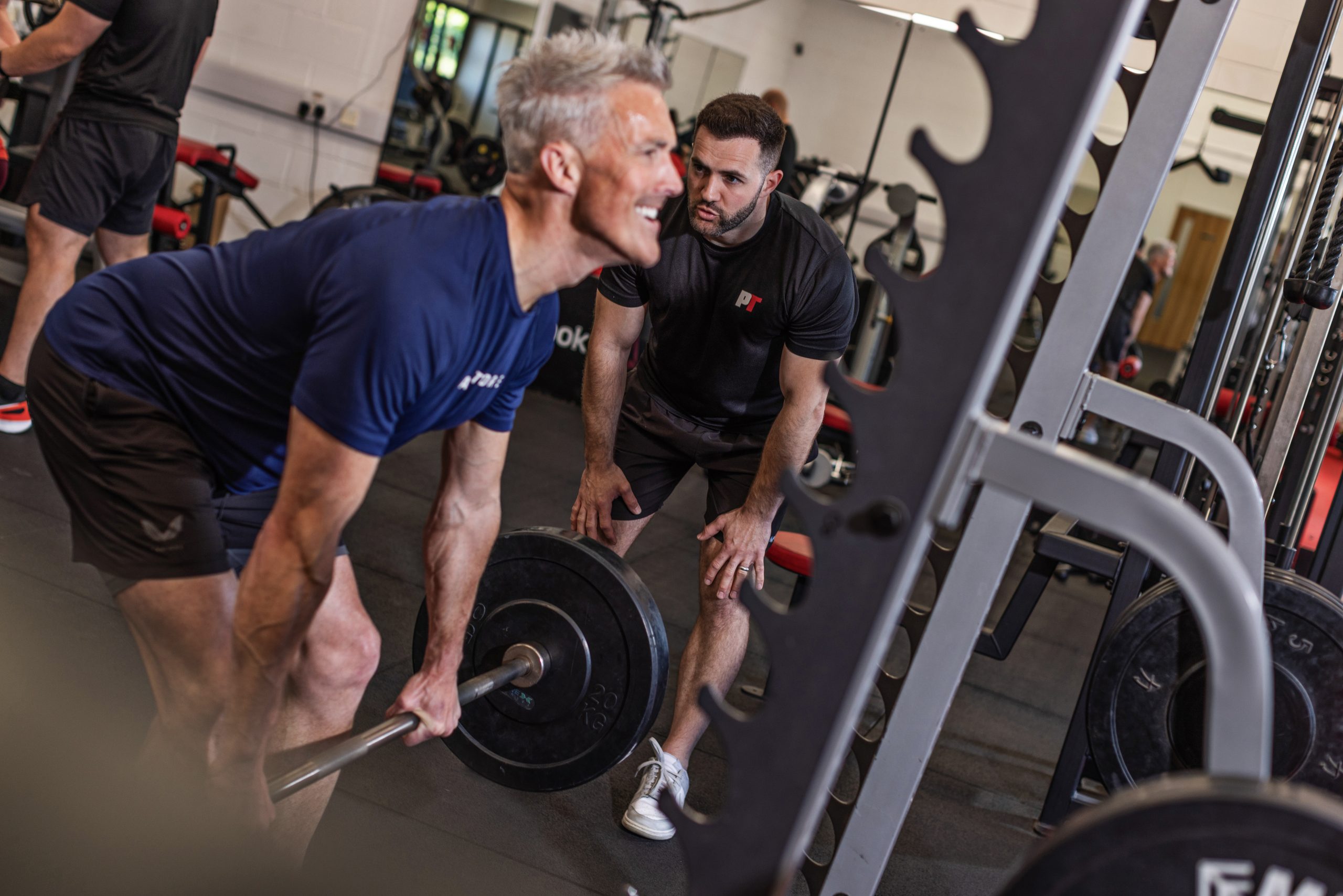
That’s a hard thing to build and stick to on your own, especially if you’re new to the gym or you’ve been out of the game for a while. It’s exactly the kind of structure a coach provides. Personal training in Milton Keynes can give you that structure, with a programme designed around your goals, progress and current ability.
- A programme built around preserving and building muscle, not just burning calories – because on a GLP-1, calorie burn isn’t your problem anymore, muscle preservation is.
- Proper progression, so the training keeps demanding something from your muscles as your body weight and appetite both drop.
- Nutrition guidance focused on protein intake, which matters more than usual here – with appetite suppressed, it’s easy to under-eat protein without meaning to, which can make it harder to preserve muscle.
- Someone checking your form and load so you’re training safely, especially if you’re newer to strength work.
What This Looks Like in Practice
If you’re currently on Mounjaro, Wegovy, or Ozempic – or thinking about starting – the goal isn’t to train harder to “make up for” being on medication. It’s to train smart enough that the weight you lose is mostly fat, not muscle, so that when you eventually come off the medication, you’re left with a body that’s leaner and stronger, not just lighter and softer.
That means:
- Resistance training 2–4 times a week, prioritising the big compound movements – squats, presses, rows and deadlift variations – that recruit the most muscle.
- A protein target that’s actually tracked, not guessed at, especially while your appetite is suppressed.
- Regular check-ins on strength, not just weight – if your lifts are holding steady or improving while the scale moves down, that’s a useful sign the plan is working.
- A plan for when you come off the medication – this is the part almost nobody talks about, and it’s where many people struggle with maintaining their progress. If you’ve spent the whole time on the injection building strength and habits, coming off is a transition. If you’ve spent it doing nothing but losing weight passively, coming off can be much harder.
The Bottom Line
Weight loss injections are a genuinely useful tool, and we’re not here to talk anyone out of using one if it’s right for them. But they solve one problem – appetite – and leave another one completely untouched: what kind of body you end up with, and whether you can hold onto it long-term.
That second part is where coaching can help. A plan, structure, accountability, and someone in your corner who knows what “good” looks like week to week – that’s what can help turn a lighter body into a genuinely stronger, healthier one.
FAQs
Do I Need to Lift Weights If I’m on Mounjaro or Wegovy?
You don’t have to, but without resistance training, some of the weight you lose may come from lean mass as well as fat. If you want to end up leaner and stronger rather than simply lighter, structured strength training is an important addition.
Will Personal Training Interfere With My Medication?
No – training and GLP-1 medications can work alongside each other. If you have any medical concerns specific to your situation, that’s a conversation for your GP or prescriber, but from a training perspective, the two can be complementary.
What Happens to My Body If I Stop Taking Mounjaro or Wegovy?
Some people experience appetite and weight rebound after stopping. How much weight is regained varies between individuals and depends on factors including diet, activity, lifestyle and ongoing support. Building sustainable training and nutrition habits can help you maintain healthier routines over the longer term.
Can I Start Personal Training If I’m Already on a GLP-1 Medication?
Yes – this is a situation a suitably qualified trainer can work with. Your programme can be built around your current fitness level, energy levels and goals. If you have concerns about exercising while taking your medication, speak with your GP or prescriber before starting.
Final Thoughts
If you’re on a weight loss injection and want the training and nutrition side handled properly, our 6-Week Challenge provides a clear plan, expert coaching and accountability to help you build strength and healthier habits alongside your weight-loss journey.