Quick Answer
Busy professionals stay fit by prioritising consistency over perfection. Rather than spending hours in the gym, they focus on structured strength training two to three times per week, daily movement, good nutrition and habits that fit around work and family life. The most successful people don’t have more time—they have a plan that works with their lifestyle.
Key Takeaways
Busy professionals stay fit by:
- Scheduling workouts like meetings
- Strength training two to three times per week
- Focusing on consistency rather than perfection
- Preparing food in advance
- Staying active outside the gym
- Accepting that “good enough” beats doing nothing
You don’t need more time to get fit.
You need a realistic system you can stick to.
Why Staying Fit Feels So Difficult When You’re Busy
If you’re a busy professional, chances are you’ve experienced this before.
You start the week with good intentions.
You’ll get to the gym.
You’ll eat well.
You’ll finally get back into a routine.
Then reality takes over.
Work meetings run late.
Emails pile up.
The children need collecting.
Dinner needs cooking.
By Friday, you’ve barely had time to think about your own health.
The problem isn’t that busy professionals don’t care about their health.
It’s that most fitness advice is designed for people with far fewer responsibilities.
The good news is that staying fit doesn’t require perfect conditions.
It requires a realistic plan.
Can Busy Professionals Really Get Fit?
Absolutely.
In fact, many of our most successful clients are business owners, managers, professionals and parents with demanding careers.
The difference isn’t that they have more spare time.
It’s that they’ve stopped trying to follow unrealistic fitness plans.
Instead, they focus on habits they can maintain consistently.
Stop Trying to Train Every Day
One of the biggest mistakes busy professionals make is believing they need to exercise six or seven days every week.
That mindset often leads to:
- Missed sessions
- Guilt
- Inconsistency
- Giving up completely
For most people, two to three structured strength sessions each week are enough to build strength, improve fitness and lose body fat.
The goal isn’t to do the most.
The goal is to do enough consistently.
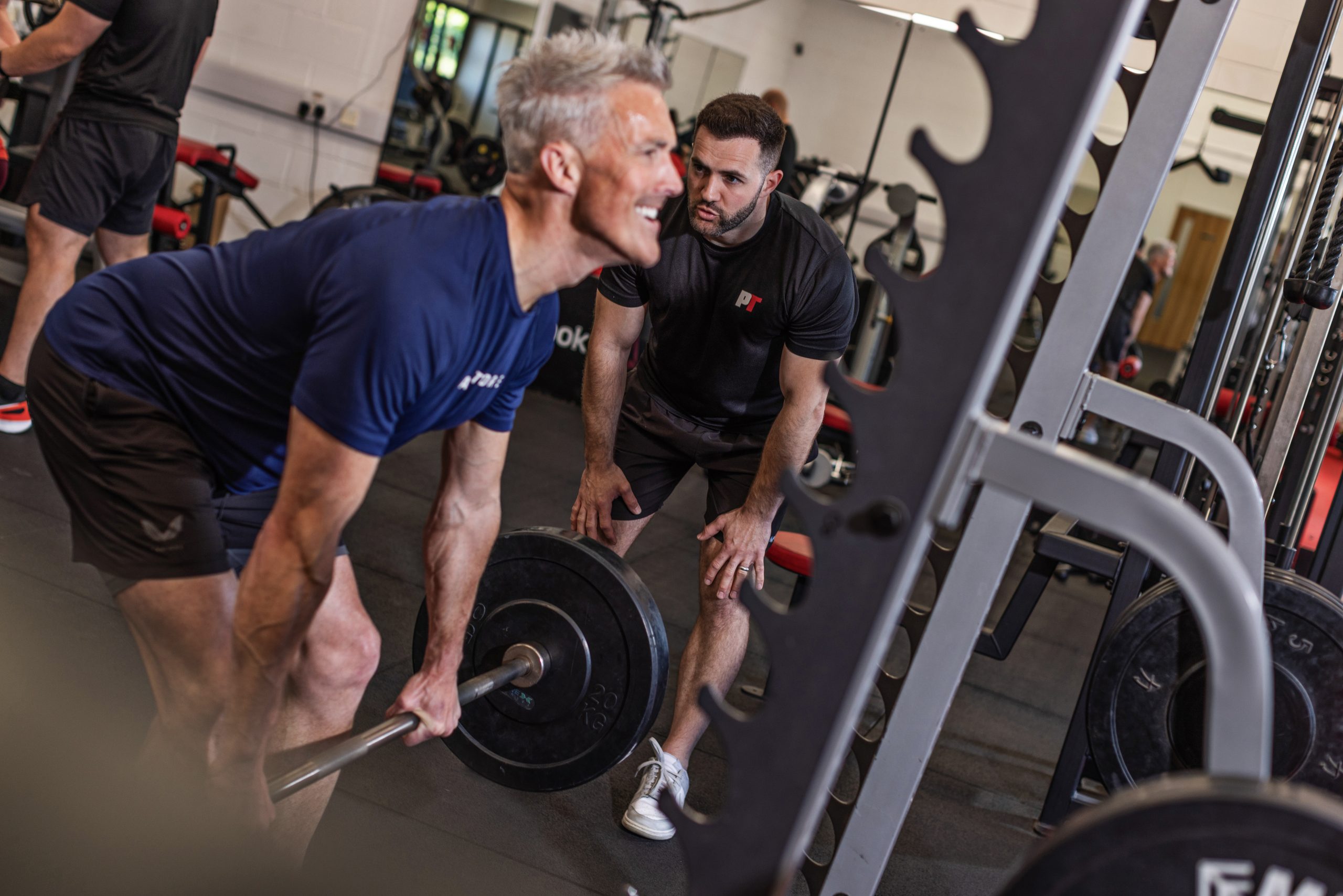
This is why personal training in Milton Keynes works so well for busy professionals. Every session has a clear purpose, removing the guesswork and helping you make the most of limited time.
Treat Your Workouts Like Important Meetings
Successful professionals rarely miss important client meetings.
The same approach should apply to your health.
Instead of trying to “find time”, schedule your training sessions into your diary just like any other important appointment.
Once it’s in your calendar, you’re far more likely to protect that time.
Focus on Strength Training
If your time is limited, strength training offers one of the best returns on your investment.
It helps you:
- Build muscle
- Improve body composition
- Increase strength
- Support fat loss
- Improve long-term health
Unlike endless cardio, well-structured strength training continues to benefit your body long after the session has finished.
Keep Nutrition Simple
Busy professionals often overcomplicate nutrition.
You don’t need perfect meals every day.
Instead, focus on simple habits such as:
- Eating enough protein
- Including fruit and vegetables with most meals
- Drinking enough water
- Planning lunches in advance
- Limiting mindless snacking
Simple habits repeated consistently beat complicated meal plans every time.
Increase Your Daily Movement
Your workouts are important.
But what you do outside the gym matters just as much.
Simple ways to increase your daily activity include:
- Walking during lunch breaks
- Taking phone calls while walking
- Using the stairs
- Parking slightly further away
- Aiming for a daily step target
These habits improve your overall health and support fat loss without requiring additional gym sessions.
Accept That Perfect Doesn’t Exist
This is one of the biggest mindset shifts.
Some weeks you’ll train three times.
Some weeks you’ll manage two.
Occasionally you’ll only manage one.
That doesn’t mean you’ve failed.
Progress comes from returning to your routine rather than waiting for the perfect Monday to start again.
Build a Support System
Trying to stay fit on your own can be difficult when work is demanding.
Having coaching, accountability and a supportive community makes consistency much easier.
Many busy professionals find small group personal training gives them the structure they need without taking over their lives.
The sessions are planned, the coaching is there, and the accountability helps them keep showing up.
Frequently Asked Questions
Can I get fit if I only have three hours per week?
Yes. Three well-structured one-hour sessions are enough for most people to build strength, lose fat and improve fitness when combined with good nutrition and an active lifestyle.
What is the best type of exercise for busy professionals?
Strength training offers one of the best returns on your time because it improves strength, muscle, body composition and long-term health simultaneously.
Should I exercise before or after work?
There isn’t one right answer. The best time to exercise is the time you can stick to consistently.
What if I miss a workout?
Don’t try to make up for it. Simply continue with your next planned session. Long-term consistency matters far more than one missed workout.
Final Thoughts
Busy professionals don’t stay fit because they have more free time.
They stay fit because they build realistic habits that work around their careers and family life.
Focus on:
- Training consistently
- Eating well most of the time
- Staying active every day
- Planning ahead
- Avoiding the all-or-nothing mindset
Fitness doesn’t need to dominate your life.
It simply needs to become part of it.