Choosing the right personal trainer can make a huge difference to your fitness journey.
With so many trainers and gyms available, it can be difficult to know where to start. Some trainers focus on strength training, others on weight loss, and some specialise in sports performance or rehabilitation.
The most important thing to remember is that the right trainer for you isn’t just the one with the best marketing or the most impressive physique.
The right trainer is someone who understands your goals, supports your progress and creates a structured plan that fits your lifestyle.
Look for experience and coaching ability
One of the first things people consider when choosing a trainer is qualifications.
While certifications are important, real coaching ability often comes from experience working with a wide range of clients.
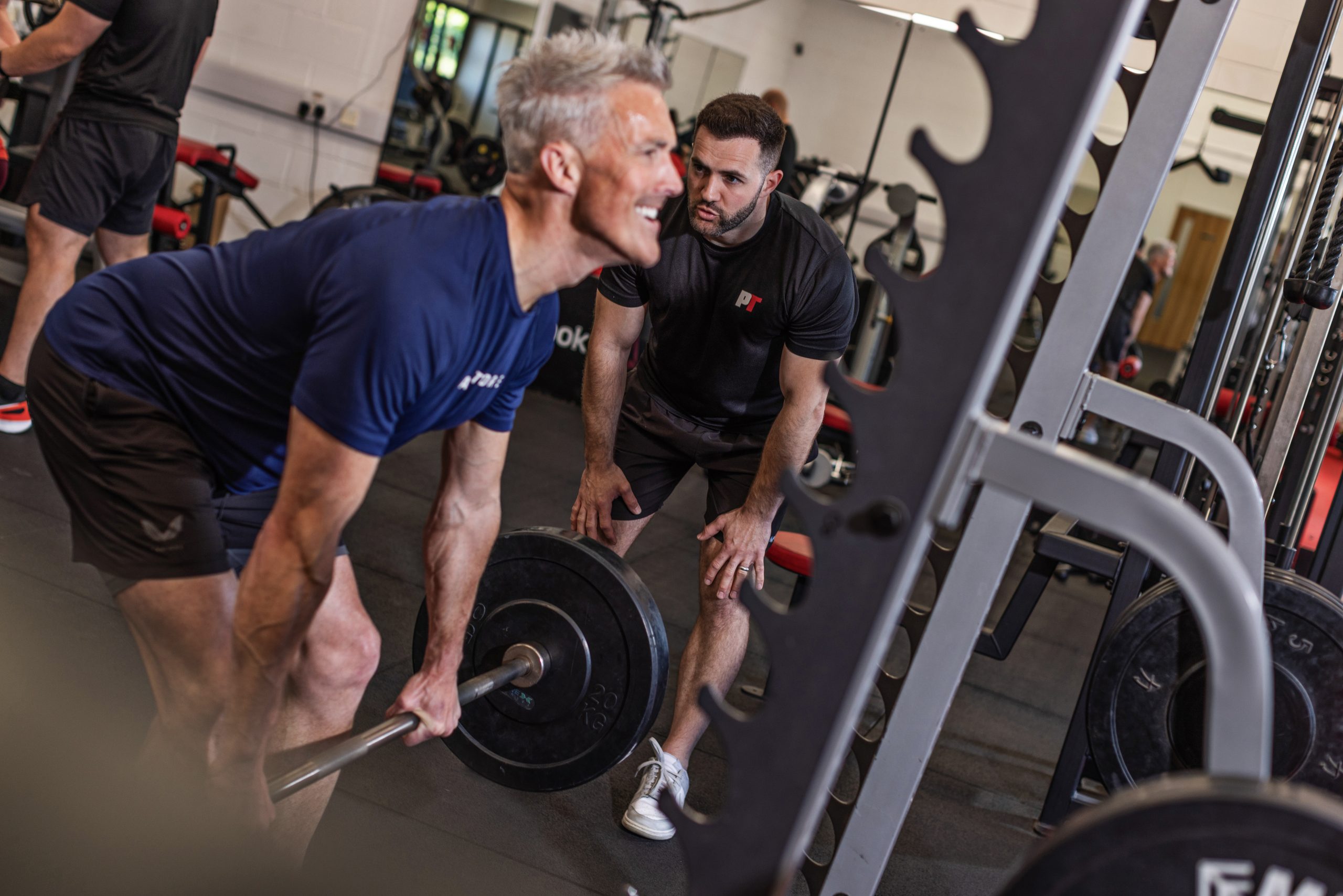
A good personal trainer should be able to:
- Adapt training programmes for different abilities
• Teach correct exercise technique
• Adjust training based on progress or setbacks
• Understand the role of nutrition and lifestyle habits
Experience coaching real clients over time is often what helps a trainer develop these skills.
Find someone who understands your goals
Not every trainer specialises in the same type of results.
Some trainers focus on:
- Fat loss and body composition
• Strength and muscle building
• Rehabilitation or injury prevention
• Athletic performance
When choosing a trainer, it helps to find someone who regularly works with people who share similar goals to yours.
For example, if your goal is sustainable fat loss and improved fitness, working with a coach experienced in structured personal training in Milton Keynes can help ensure your programme is designed for long-term success.
Look beyond the workout itself
Many people assume personal training is simply about having someone count your repetitions during a workout.
In reality, effective coaching goes far beyond the hour you spend in the gym.
A good trainer will help you with:
- Planning your training structure
• Tracking your progress
• Adjusting your programme when needed
• Supporting consistency between sessions
This level of support is often what helps people maintain momentum and achieve meaningful results.
Consider the training environment
The environment you train in can have a significant impact on your experience.
Some people enjoy busy commercial gyms where they can train independently. Others prefer smaller, more supportive environments where coaching is more structured.
Many clients find that small group personal training offers a balance between personalised coaching and a motivating community atmosphere.
Being surrounded by others who are working towards similar goals can make consistency much easier to maintain.
Ask questions before committing
A good trainer should always be open to answering questions before you begin.
Some useful questions to ask include:
- How do you structure your training programmes?
• How will my progress be tracked?
• How often should I train?
• What support is available outside sessions?
These conversations help you understand whether the trainer’s approach aligns with what you’re looking for.
The importance of communication and trust
The relationship between a coach and client plays an important role in long-term progress.
A good trainer should make you feel comfortable asking questions, discussing challenges and adjusting your plan when needed.
Clear communication and mutual trust help build a coaching relationship that supports consistent improvement over time.
Final thoughts
Choosing the right personal trainer isn’t just about finding someone who knows exercises.
It’s about finding a coach who understands your goals, provides structure and supports your progress.
When the right coaching environment is in place, training becomes clearer, more enjoyable and far easier to sustain long term.
The most effective training programmes are not just well designed — they’re supported by the right guidance and accountability.