
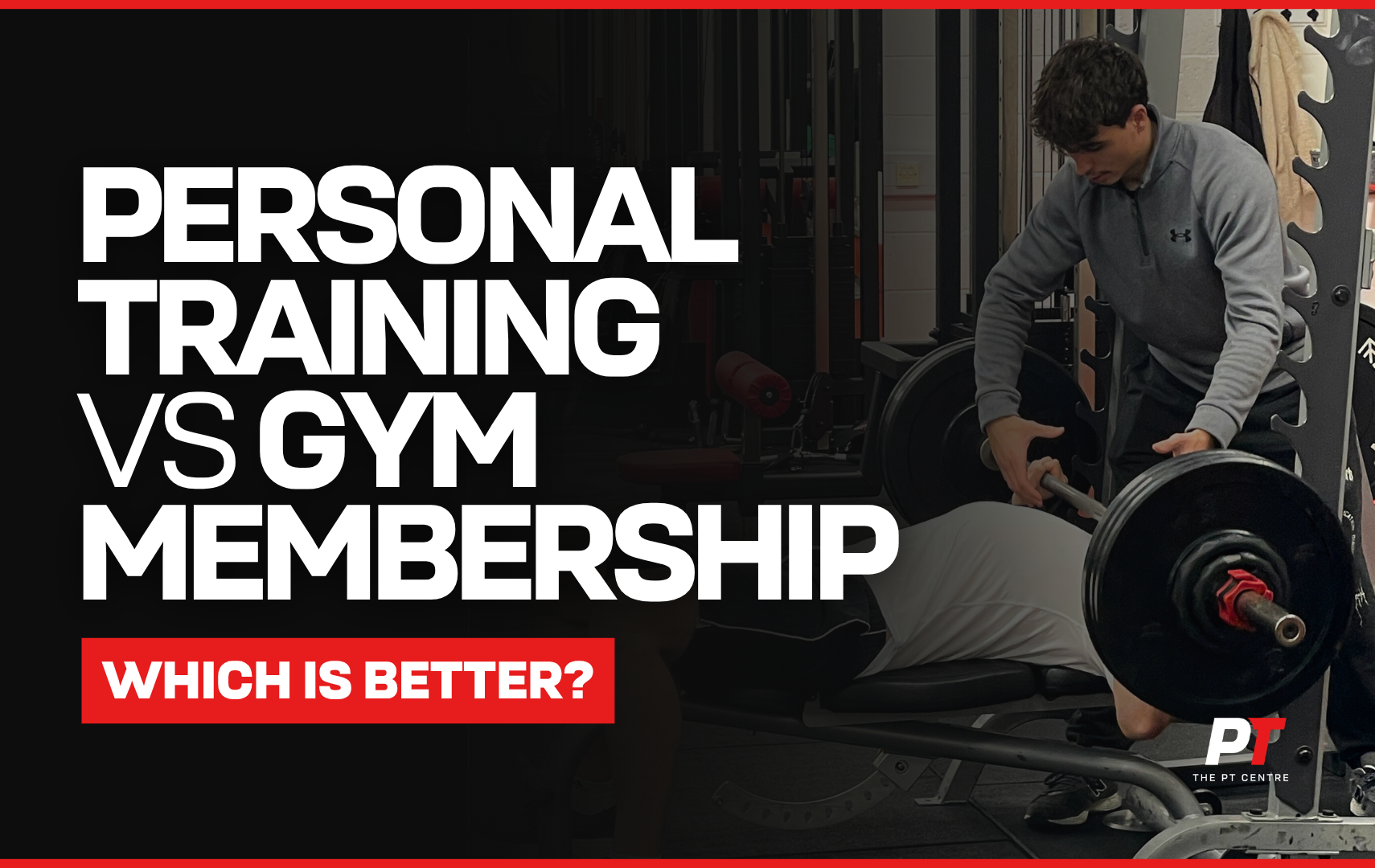
If you’re thinking about improving your fitness, one of the first decisions you’ll face is whether to join a gym or work with a personal trainer.
On the surface, the choice can seem obvious. Gym memberships are relatively cheap, while personal training is a bigger investment.
But the real question isn’t just about cost.
The real question is: which option is more likely to help you achieve the results you want?
For many people, the answer depends on the level of structure, guidance and accountability they need to stay consistent.
What you get with a typical gym membership
A gym membership gives you access to equipment and a place to train.
Most gyms offer:
- Cardio machines
• Strength training equipment
• Free weights
• Classes or group sessions
• Changing facilities
For people who already understand how to train and feel confident building their own workouts, a gym membership can work well.
However, for many people the biggest challenge isn’t access to equipment — it’s knowing how to use it effectively.
Without a clear plan, many gym members find themselves doing random workouts without seeing consistent progress.
What personal training provides
Personal training focuses on guidance and structure rather than simply access to equipment.
A coach typically provides:
- A personalised training plan
• Technique coaching and movement guidance
• Accountability and consistency
• Progress tracking
• Adjustments when progress slows
Instead of figuring everything out yourself, you have a structured process designed to move you towards your goals.
This is one reason many people choose structured personal training in Milton Keynes, as it removes the guesswork and replaces it with a clear plan.
The biggest difference: structure vs independence
The key difference between a gym membership and personal training is the level of support.
With a gym membership, you are responsible for:
- Planning your workouts
• Staying motivated
• Tracking your progress
• Adjusting your training if things stop working
Some people thrive with this independence.
Others find it difficult to maintain momentum without guidance.
Personal training provides the structure and accountability that helps many people stay consistent, particularly when life becomes busy.
Which option is better for results?
Neither option is automatically better for everyone.
The right choice depends on your experience, goals and personality.
A gym membership may work well if you:
- Already understand how to structure workouts
• Enjoy training independently
• Have strong self-discipline
• Feel confident progressing your own programme
Personal training may be a better fit if you:
- Feel unsure about what exercises to do
• Struggle with consistency
• Want expert guidance and accountability
• Prefer a structured approach to training
For people who want guidance but prefer a slightly more flexible option, small group personal training can offer a balance between coaching support and affordability.
Why many people start with a gym and move to coaching
It’s very common for people to begin their fitness journey with a gym membership.
At first, motivation is high. You attend regularly and feel excited about making progress.
But after a few weeks or months, the biggest challenge appears: consistency.
Without structure or accountability, many people find their training becomes less frequent, and results begin to stall.
This is often the point where working with a coach becomes valuable.
Instead of guessing what to do next, you follow a clear system designed to keep you progressing.
Final thoughts
A gym membership and personal training serve two different purposes.
Gyms provide access to equipment and a place to exercise.
Personal training provides structure, guidance and accountability to help you achieve meaningful results.
For some people, a gym membership is enough.
For others, having a clear plan and professional support is the difference between starting and stopping repeatedly, or finally building consistent progress.
The most important factor isn’t the environment you train in — it’s choosing the approach that helps you stay consistent long enough to see results.