Quick Answer
Belly fat is often hard to lose because your body cannot choose where it loses fat first. Genetics, hormones, stress, sleep, age and lifestyle can all influence where fat is stored and how quickly it comes off.
The good news is that while you cannot spot-reduce belly fat, consistent training, nutrition and healthy habits can reduce overall body fat over time.
Belly fat is one of the most common frustrations people face when trying to get in shape.
For many people, progress seems noticeable everywhere else first.
- Your face looks leaner
- Your clothes fit better
- Your arms or legs look more toned
Yet your stomach barely seems to change.
That often leads to one question:
“Why is belly fat so hard to lose?”
If this sounds familiar, you’re not alone.
And importantly, there is usually nothing wrong with you.
Understanding why belly fat behaves differently can help you focus on what actually works rather than wasting time chasing quick fixes.
Can You Specifically Target Belly Fat?
The short answer is simple:
No, you cannot directly target belly fat with specific exercises.
This remains one of the biggest myths in fitness.
Many people believe that doing:
- Sit-ups
- Crunches
- Ab circuits
- Core workouts
will specifically burn stomach fat.
Unfortunately, that’s not how fat loss works.
Your body loses fat systemically, not locally.
When you lose body fat, your genetics largely determine where it comes off first and where it comes off last.
For many people, particularly men, the stomach is often one of the last areas to lean out.
Why Does the Body Store Fat Around the Stomach?
Belly fat storage is influenced by several different factors.
1. Genetics
Genetics play a major role in body fat distribution.
Some people naturally store more fat around their:
- Stomach
- Lower back
- Hips
- Thighs
This is largely outside your control.
What you can control is reducing overall body fat through consistent habits.
2. Stress and Cortisol
Chronic stress can make belly fat harder to lose.
High stress often contributes to:
- Poor food choices
- Increased cravings
- Emotional eating
- Poor recovery
- Reduced sleep quality
Stress can also influence hormones such as cortisol, which is commonly associated with abdominal fat storage.
This is one reason structured personal training in Milton Keynes can be so valuable. A good training programme helps improve not only physical fitness but also routine, stress management and overall wellbeing.
3. Poor Sleep
Sleep is massively underrated when it comes to fat loss.
Consistently poor sleep can:
- Increase hunger hormones
- Reduce recovery
- Lower training performance
- Increase cravings for calorie-dense foods
Even if your training and nutrition are relatively good, poor sleep can slow progress significantly.
4. Age and Hormones
As we get older, body composition often becomes harder to manage.
Adults over 30 commonly experience:
- Reduced muscle mass
- Slower recovery
- Hormonal changes
- Increased sedentary time
This doesn’t mean fat loss is impossible.
It simply means having structure and consistency becomes even more important.
Does Cardio Burn Belly Fat Faster?
Not specifically.
Cardio helps by increasing calorie expenditure, which can support overall fat loss.
However, cardio alone is rarely the complete solution.
The most effective approach usually combines:
- Strength training
- Daily movement
- Appropriate nutrition
- Good recovery
- Consistency
This combination improves body composition far more effectively than relying on endless cardio sessions alone.
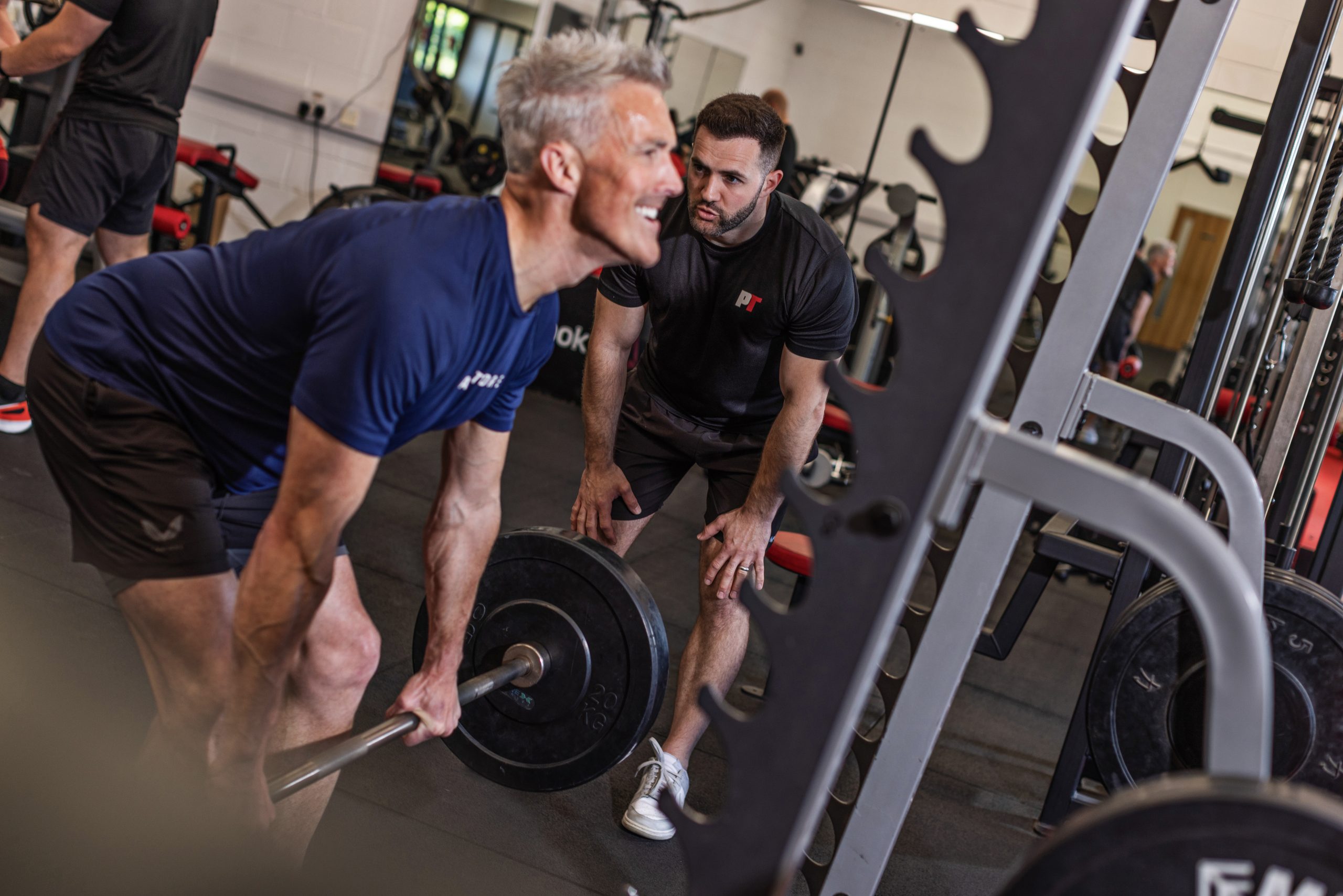
For many people, small group personal training works particularly well because it combines structured strength training, accountability and progression within a supportive environment.
Why Is Belly Fat Often the Last Place to Change?
This is the part many people find most frustrating.
In many cases, belly fat is simply the last major fat store to reduce.
That means you may already be making excellent progress even if your stomach hasn’t changed as much as you’d like.
Signs of progress include:
- Improved strength
- Lower body measurements
- Looser-fitting clothes
- Better fitness levels
- Improved energy
This is why relying solely on visual stomach changes can be misleading.
Progress is usually happening long before you fully see it in the mirror.
What Actually Helps Reduce Belly Fat?
The fundamentals still win.
Rather than looking for shortcuts, focus on the habits that consistently produce results.
Consistent Calorie Control
Maintain a sustainable calorie deficit over time.
Extreme dieting rarely works long term.
Strength Training
Build or maintain muscle while losing fat.
This helps improve body composition and supports long-term results.
Daily Movement
Walking and staying active outside the gym can make a significant difference.
Sleep and Stress Management
Often overlooked, but incredibly important for recovery, appetite regulation and consistency.
Patience
This matters more than most people realise.
Belly fat usually responds to consistent effort over months, not extreme effort over days.
Frequently Asked Questions
Can Ab Exercises Burn Belly Fat?
No. Ab exercises strengthen your core, but they won’t directly reduce belly fat. Fat loss happens across the whole body.
Why Do I Lose Fat Everywhere Except My Stomach?
Your body decides where fat comes off first. For many people, the stomach is simply one of the last areas to lean out.
How Long Does It Take to Lose Belly Fat?
There is no fixed timeline. Consistent training, nutrition and healthy habits usually lead to gradual results over weeks and months.
Is Belly Fat Harder to Lose After 30?
It can be. Changes in hormones, activity levels and muscle mass may slow progress, but consistent habits can still deliver excellent results.
Final Thoughts
Belly fat is hard to lose because fat loss does not happen exactly where you want it to.
Genetics, stress, sleep, hormones and lifestyle all play a role.
The solution is rarely a special exercise, detox or shortcut.
Instead, focus on the proven fundamentals:
- Train consistently
- Eat in a calorie deficit
- Manage stress
- Prioritise sleep
- Stay patient
You cannot force spot reduction.
But if you continue improving the right habits and stay consistent, your body will continue to change over time.